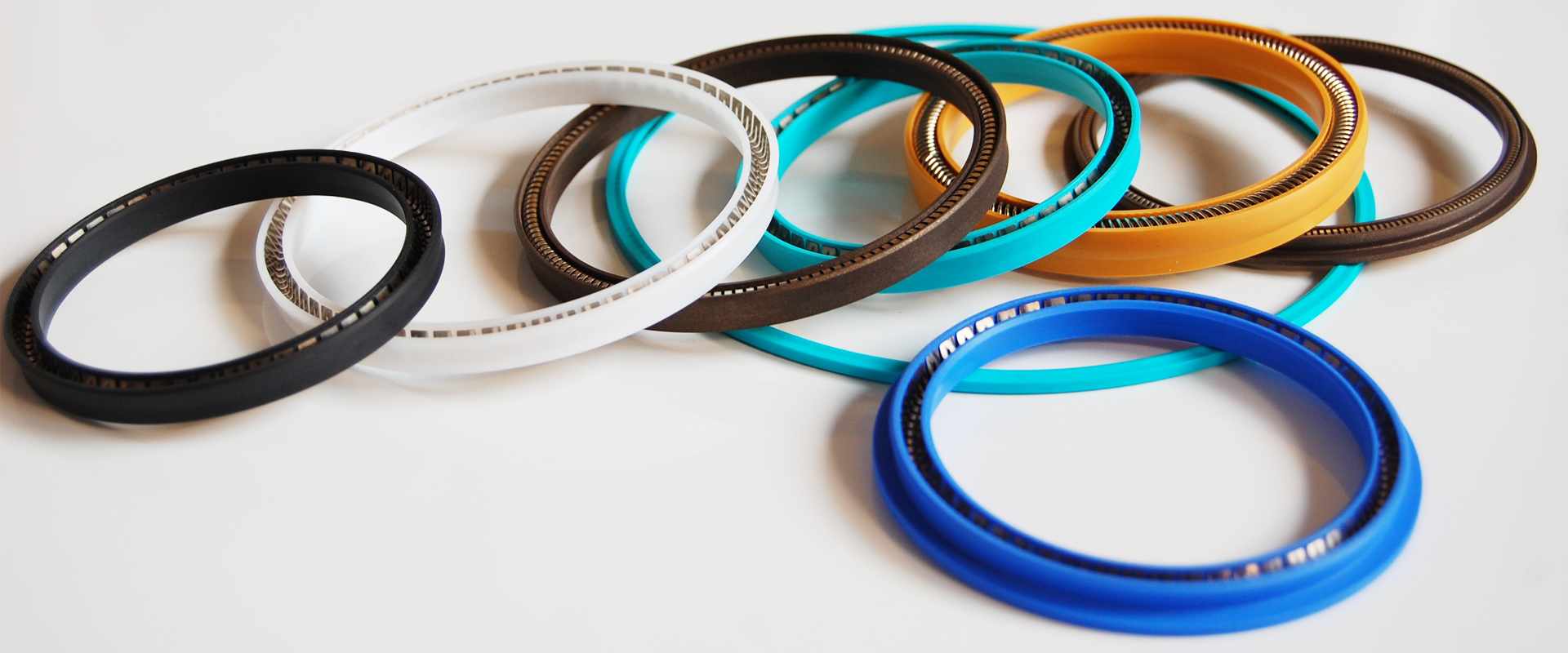
Industrial sealing components operate under a range of environmental and mechanical conditions. In hydraulic systems, pneumatic equipment, pumps, compressors, and heavy-duty machinery, seals must maintain effective contact between connected surfaces while resisting fluid leakage and contamination. Two of the most important factors influencing their performance are temperature and pressure.
Changes in either condition can affect material flexibility, dimensional stability, friction, and resistance to deformation. Understanding how these factors influence DMS Seals helps equipment operators and maintenance professionals select suitable sealing solutions for their applications. Proper product selection and operating-condition management can reduce premature wear, prevent leakage, and improve machinery reliability.
Understanding the Relationship Between Temperature, Pressure, and Seal Performance
Industrial seals are designed to operate within specific temperature and pressure ranges. These limits depend on the sealing material, product design, equipment configuration, and operating environment.
Temperature affects the physical and chemical properties of sealing materials, while pressure determines the force applied to the seal and its surrounding surfaces. When either factor exceeds the product’s recommended limits, the seal may lose its ability to perform effectively.
In many applications, temperature and pressure also influence each other. For example, excessive friction can generate heat, while elevated temperatures may soften certain materials and increase their susceptibility to pressure-related deformation.
For this reason, both conditions should be considered together during seal selection and equipment maintenance.
How High Temperatures Affect DMS Seal Performance
High operating temperatures can gradually change the properties of rubber, polyurethane, and other sealing materials. The extent of these changes depends on the material formulation, exposure duration, surrounding fluids, and operating conditions.
1. Material Hardening and Loss of Flexibility
Prolonged exposure to elevated temperatures can accelerate the aging of some elastomeric materials.
As the material deteriorates, it may become harder and less flexible. A hardened seal may struggle to maintain consistent contact with the surrounding surface, increasing the possibility of leakage.
In severe cases, the material may become brittle and develop cracks during operation.
2. Thermal Expansion and Dimensional Changes
Materials expand when heated and contract as they cool. Sealing components are also affected by these temperature-related dimensional changes.
If the seal expands excessively, it may experience increased contact pressure or friction. Conversely, contraction during cooling may reduce sealing contact in certain applications.
The surrounding metal components also expand and contract, so the complete assembly must be considered when evaluating dimensional stability.
3. Faster Material Aging
Elevated temperatures can accelerate chemical reactions within certain sealing materials. This may cause changes in elasticity, strength, and resistance to operating fluids.
Long-term exposure can reduce service life even when the seal initially appears suitable for the application.
Selecting a material with an appropriate continuous operating temperature rating helps reduce this risk.
4. Lubricant Deterioration
Temperature also affects the lubricants and hydraulic fluids that interact with sealing components.
Excessive heat may accelerate oxidation, change fluid viscosity, and reduce lubrication effectiveness. Poor lubrication can increase friction between moving surfaces and contribute to seal wear.
Maintaining suitable fluid quality and operating temperatures is therefore important for overall sealing performance.
How Low Temperatures Affect Industrial Seals
Low temperatures can create different challenges, particularly for elastomeric sealing materials.
Reduced Flexibility
Some rubber compounds become harder and less flexible when exposed to cold conditions.
A seal that cannot adapt properly to the surrounding surface may lose effective contact, particularly during equipment startup or movement.
Increased Risk of Cracking
Cold conditions can reduce the ability of certain materials to withstand repeated deformation. If a stiffened seal experiences sudden movement or mechanical stress, cracks or other damage may develop.
Changes in Fluid Behavior
Hydraulic oils and lubricants may become more viscous at low temperatures. This can increase resistance during startup and affect how quickly equipment reaches normal operating conditions.
Seals must therefore be compatible with the expected temperature range, including cold starts and seasonal variations.
How High Pressure Affects DMS Seal Performance
Pressure is another major factor influencing industrial sealing systems. Hydraulic cylinders, presses, pumps, and other equipment may expose seals to substantial mechanical forces.
When a seal is not designed for the system’s pressure requirements, several problems can occur.
1. Seal Extrusion
Seal extrusion happens when material is forced into a clearance gap between connected mechanical components under pressure.
This can create damaged edges, small pieces of missing material, and eventual sealing failure.
The risk depends on factors such as pressure level, material hardness, seal geometry, and the size of the clearance gap. Backup rings may be used in suitable designs to help reduce extrusion risk.
2. Excessive Deformation
High pressure can compress and deform sealing components.
Although some deformation is necessary for a seal to create effective contact, excessive deformation may affect its original geometry and reduce its ability to operate reliably.
Repeated pressure cycles can also contribute to material fatigue and deterioration.
3. Increased Contact Stress
Pressure can increase the force between a seal and the surface against which it operates.
In dynamic applications, excessive contact stress may increase friction and wear. If the material and design are not suitable for the operating conditions, the sealing component may deteriorate more quickly.
4. Leakage Under Pressure
When a seal cannot withstand the applied pressure, fluid may pass through the sealing area.
Leakage may occur because of incorrect dimensions, damaged surfaces, material deterioration, installation errors, or an unsuitable design.
In hydraulic systems, this can reduce operating efficiency and affect the force generated by the equipment.
The Effects of Repeated Pressure Changes
Industrial machinery does not always operate at a constant pressure. Many systems experience repeated increases and decreases during normal operation.
These changes are known as pressure cycles, and they can influence sealing durability.
Pressure Cycling and Material Fatigue
Repeated compression and relaxation place mechanical stress on sealing materials.
Over time, this can contribute to fatigue, permanent deformation, and reduced elasticity. The severity depends on the pressure range, cycle frequency, material properties, and design.
Pressure Spikes
Sudden pressure increases may exceed the normal operating range of a sealing component.
Such spikes can damage seals even when average system pressure remains within the recommended limit.
Pressure-control devices and correctly designed hydraulic systems help manage these conditions.
Rapid Pressure Changes
Fast pressure changes can create additional stress within the sealing assembly.
In certain applications, these conditions may contribute to temporary leakage, deformation, or damage to the sealing edges.
Considering actual pressure behavior—not just the normal working pressure—is important during product selection.
How Temperature and Pressure Work Together
Temperature and pressure often affect seals simultaneously. Their combined influence can be more demanding than either condition alone.
For example, a hydraulic cylinder operating at elevated pressure may generate heat through friction and fluid movement. As the temperature increases, the sealing material may become softer or lose some of its mechanical strength, depending on its composition.
This can increase the risk of deformation or extrusion.
Similarly, cold conditions may make certain materials less flexible while pressure continues to act on the sealing surfaces. The result may be reduced adaptability and a greater risk of leakage.
When evaluating a sealing product, consider:
- Maximum and minimum operating temperatures.
- Normal and peak system pressure.
- Frequency of pressure changes.
- Movement speed and operating cycles.
- Fluid type and lubrication conditions.
- Clearance gaps and installation geometry.
- Expected service duration.
A seal should be suitable for the complete operating environment rather than just one isolated specification.
Choosing Suitable Materials for Different Operating Conditions
Material selection has a direct influence on how a seal responds to heat, pressure, and fluid exposure.
Different materials offer different performance characteristics.
Nitrile Rubber (NBR)
NBR is commonly used in applications involving petroleum-based oils and hydraulic fluids. It offers useful flexibility and mechanical properties for many general industrial sealing requirements.
However, its temperature and chemical resistance must be checked against the actual application.
Polyurethane (PU)
Polyurethane is valued for its mechanical strength and abrasion resistance. It is frequently used in hydraulic sealing applications involving repeated movement and contact.
Its suitability depends on the specific formulation and operating temperature.
Fluorocarbon Rubber (FKM)
FKM is known for its resistance to many oils, fuels, chemicals, and elevated temperatures.
It is often considered for applications where conventional elastomers may not provide sufficient temperature or fluid resistance.
Polytetrafluoroethylene (PTFE)
PTFE offers low friction and strong chemical resistance. It is used in applications where smooth movement and dimensional stability are important.
Depending on the design, PTFE seals may require additional components to support sealing performance under pressure.
EPDM
EPDM is commonly used in applications involving water, steam, and certain environmental conditions.
It is not generally compatible with many petroleum-based oils, so fluid compatibility should be confirmed before selection.
No single material is suitable for every temperature and pressure combination. Product-specific ratings and manufacturer guidance should always be considered.
Practical Ways to Protect Seals from Temperature and Pressure Damage
Proper equipment management can reduce the risk of premature sealing failure.
Monitor Operating Temperature
Use appropriate temperature-monitoring methods to identify unusual heat increases. Investigate overheating before it causes material deterioration or lubricant problems.
Control System Pressure
Keep normal and peak pressure within the specified limits of the equipment and sealing components.
Pressure-relief valves and suitable system controls can help prevent excessive pressure conditions.
Maintain Fluid Quality
Use compatible hydraulic fluids and lubricants. Follow recommended replacement intervals and maintain appropriate filtration to reduce contamination.
Inspect Sealing Components Regularly
Look for cracks, swelling, extrusion, hardening, cuts, and signs of leakage.
The inspection frequency should reflect the equipment’s operating intensity and the consequences of failure.
Follow Correct Installation Procedures
Incorrect installation can damage a seal before it begins operating. Use suitable tools, clean installation areas, and follow the product’s fitting instructions.
Review Equipment Operating Conditions
Changes in production requirements, operating speed, pressure, or environmental exposure may affect seal suitability.
Reassess the sealing arrangement whenever equipment conditions change significantly.
Common Signs of Temperature- or Pressure-Related Seal Failure
Identifying early warning signs can help prevent more extensive mechanical damage.
Common indicators include:
- Cracked or brittle material: May indicate thermal aging or excessive environmental exposure.
- Swelling or softening: Can result from incompatible fluids or unsuitable operating conditions.
- Extruded edges: May indicate excessive pressure or inadequate support.
- Permanent deformation: Can develop through prolonged compression or high mechanical stress.
- Fluid leakage: May result from material deterioration, incorrect dimensions, or pressure-related damage.
- Increased friction: Can be associated with poor lubrication, excessive contact stress, or material changes.
- Unusual operating temperatures: May indicate friction, fluid, or system-related problems that require investigation.
These symptoms should be assessed alongside the condition of nearby components to identify the underlying cause.
Conclusion
Temperature and pressure have a significant influence on DMS seal performance. High temperatures can accelerate material aging, reduce flexibility, and affect lubrication, while low temperatures may make certain materials less adaptable. Excessive pressure can cause extrusion, deformation, increased contact stress, and leakage. Repeated pressure changes can further contribute to mechanical fatigue.
Selecting suitable sealing materials and designs requires evaluating the complete operating environment, including temperature ranges, pressure peaks, fluid compatibility, and movement conditions. Combined with proper installation, system monitoring, and regular maintenance, these measures help protect industrial equipment and support reliable long-term sealing performance.